

Balto and Togo: The True Story of the 1925 Serum Run
Yes, Balto was real. So was Togo, and if you only know one of those names, the story of how that happened is the best sports controversy in dog history.
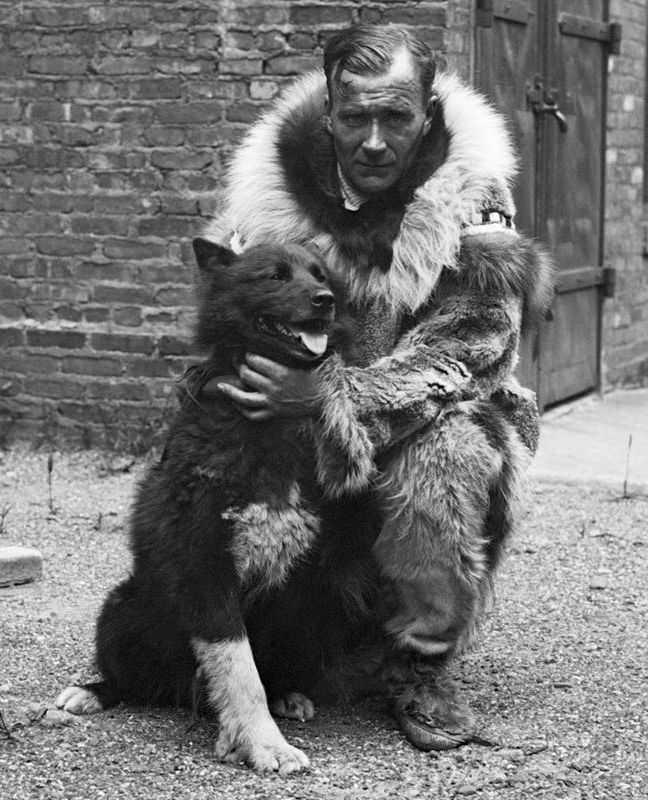
The race against diphtheria
In January 1925, the icebound town of Nome, Alaska faced a diphtheria outbreak with no antitoxin. The nearest serum sat hundreds of miles away, planes could not fly in the conditions, and the only road was the dog trail. Twenty mushers and roughly 150 sled dogs relayed the serum 674 miles through blizzards and temperatures far below zero, in five and a half days, an event newspapers followed like a moon landing. The children of Nome were saved. The route lives on as the inspiration for the Iditarod.
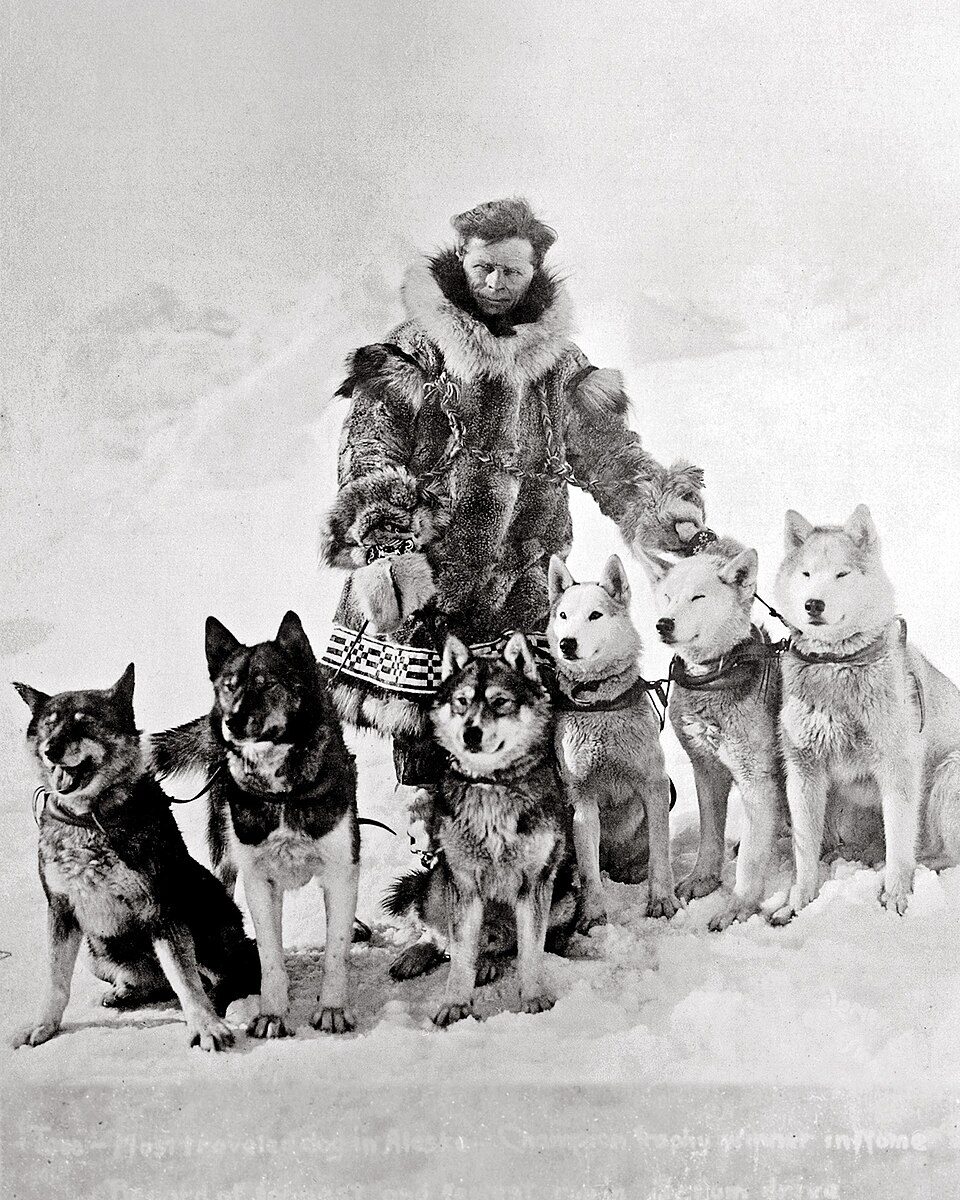
Balto: the finisher
Balto led the team that ran the final leg into Nome, arriving with the serum at 5:30 in the morning on February 2, 1925. The cameras, understandably, photographed the dog standing at the finish line. Balto became an overnight international celebrity, and by December 1925, ten months later, he had a bronze statue in New York’s Central Park, where it still stands and where children have climbed on him for a hundred years. Its inscription reads like a mission statement for every dog on this site: Endurance. Fidelity. Intelligence.
Then fame did what fame does. Balto and six teammates were sold off and ended up as a dime-museum sideshow attraction, underfed and forgotten within two years of saving a town. A Cleveland businessman named George Kimble found them there, was appropriately horrified, and launched a rescue campaign; Cleveland’s citizens, schoolchildren emptying piggy banks included, raised the money in days. Balto lived out his years at the Cleveland zoo, dignified and adored, and when he died in 1933 the city kept him: his preserved mount still stands in the Cleveland Museum of Natural History, one of the museum’s most visited residents.
Togo: the one who actually ran it
Here is what the newspapers missed. Togo, the 12-year-old lead dog of musher Leonhard Seppala, ran the longest and most dangerous stretch of the relay by an enormous margin, roughly 260 miles round trip, including a night crossing of the ice of Norton Sound in a gale, a shortcut everyone involved considered close to suicidal and which saved a full day. Balto’s leg was around 55 miles. Seppala spent the rest of his life quietly steaming about the statue, and dog people have argued the point ever since.
Togo’s whole life was an underdog story. He was a sickly, unpromising puppy whom Seppala tried to give away as a pet; Togo responded by jumping through a window and running miles to chase down Seppala’s team, and at eight months old he installed himself in harness. He was leading the team within his first year. By the serum run he was twelve, ancient for the work, and he did the impossible anyway.
History eventually corrected itself: mushing historians, a Time retrospective naming Togo the most heroic animal of all time, and finally Disney’s “Togo” (2019) put the old dog’s name back where it belonged. He retired to Poland Spring, Maine, sired the line of sled dogs still known as Seppala Siberians, and died in 1929 with his musher beside him. His preserved mount stands today at the Iditarod headquarters in Wasilla, Alaska, watching over the race his run inspired. Seppala called him the best dog he ever drove, and Seppala drove thousands.
Why they are here
This site catalogs famous dogs, ancient and modern, and Balto and Togo are the founding case study in dog fame itself: who gets remembered, who does the work, and how the two are not always the same dog. Hachiko earned his statue by waiting. Balto got his by finishing. Togo earned one by doing the impossible, and got his movie 94 years late. All three deserved everything.
Frequently Asked Questions
Was Balto a real dog?
Yes. Balto led the final leg of the 1925 serum run to Nome, Alaska, arriving on February 2, 1925. His statue has stood in New York’s Central Park since December 1925.
Did Balto or Togo run farther?
Togo, by far. Togo ran roughly 260 miles including the most dangerous stretch of the route; Balto’s final leg was around 55 miles. Balto received most of the fame because he finished the relay.
What happened to Balto and Togo after the serum run?
Togo retired and died in 1929. Balto was rescued from a sideshow by a Cleveland campaign, lived at the Cleveland zoo, and died in 1933.